
If you feel mentally exhausted – even on days when you didn’t “do much”… Read this short article before making another change to your supplements, sleep regimen, or anxiety treatment plan. Because what you’re about to learn may completely change how you understand your brain.
I lost my older brother to what doctors casually called “stress-related cognitive burnout.”
Not dementia or Alzheimer’s.
But years of chronic rumination, mental overload, sleep fragmentation, and emotional suppression that slowly eroded his clarity, his resilience, and eventually his health.
That loss drove me into cognitive behavioral research.
For over 21 years, I’ve worked with adults struggling with:
Chronic overthinking
Sleep disturbances
Emotional reactivity
Mental fog
Age-related cognitive fatigue
And I can tell you something that may surprise you.
Most treatments today are surface-level – and that includes apps, medication, or meditation.
But very few approaches address what may be the true root cause of persistent mental overload.
In my 21 years of clinical experience, I’ve seen it all.
From mild bedtime rumination to mental replay so intense people felt like their brain was working against them.
But it wasn’t until earlier this year, while reviewing cognitive neuroscience research from Harvard, that something finally clicked.
And what I discovered may explain why your mind refuses to rest.
The Shocking Truth: Your Brain Is Wired to Finish the Story
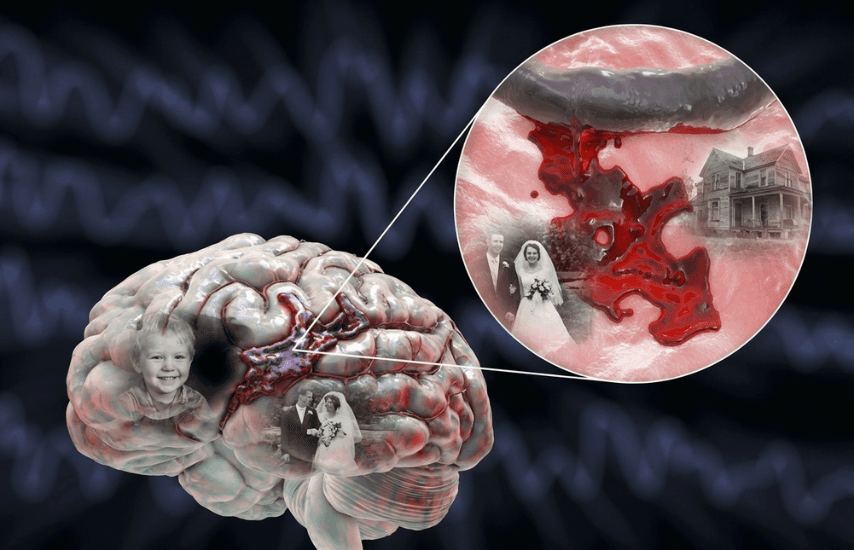
Researchers studying memory consolidation and emotional processing at Harvard described something increasingly referred to as:
The Narrative Effect.
Here’s what that means.
Your brain is not a storage device. It is a storytelling engine.
Every emotionally meaningful event in your life, such as heartbreak, regret, embarrassment, missed opportunities, betrayal, loss, triumph, all of that is meant to be integrated into a structured narrative:
Beginning.
Middle.
Resolution.
When an experience lacks resolution, your brain does not “forget” it.
It keeps it active – not consciously, but neurologically.
What Happens in the Brain When a Story Is Left Unfinished
Let’s look at this medically.
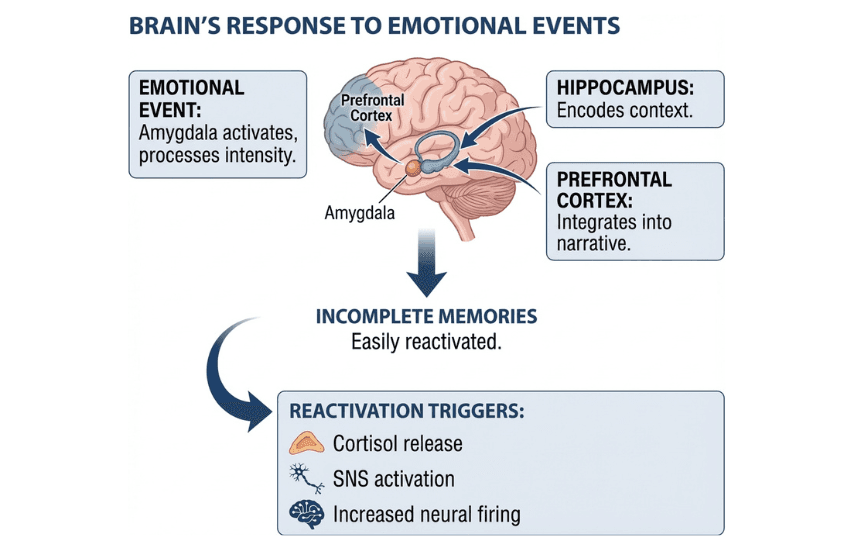
When you experience an emotionally charged event, the amygdala activates to process intensity.
The hippocampus encodes contextual memory.
The prefrontal cortex attempts to integrate the event into your broader identity narrative.
If the event is never fully processed, meaning you never structure it, reflect on it coherently, or assign meaning to it, the brain flags it as incomplete.
Incomplete memories are more easily reactivated.
Each reactivation triggers:
Mild cortisol release
Sympathetic nervous system activation
Increased neural firing in emotion-related circuits
Over time, repeated reactivation creates a cycle:
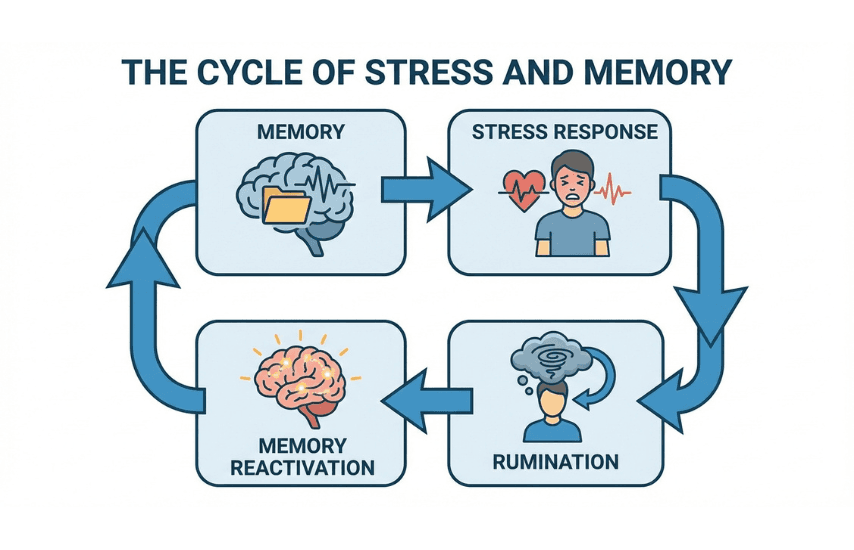
This is not weakness. It is unfinished neurological processing.
If We Don’t Close These Loops, the Brain Stays in Low-Grade Stress Mode
Imagine leaving 50 tabs open on your computer.
Eventually, performance slows, battery drains, system overheats.
Your brain works similarly.
This leads to:
Mental fatigue by mid-afternoon
Difficulty concentrating
Increased irritability
Emotional hypersensitivity
Sleep fragmentation
Nighttime thought spirals
Brain fog
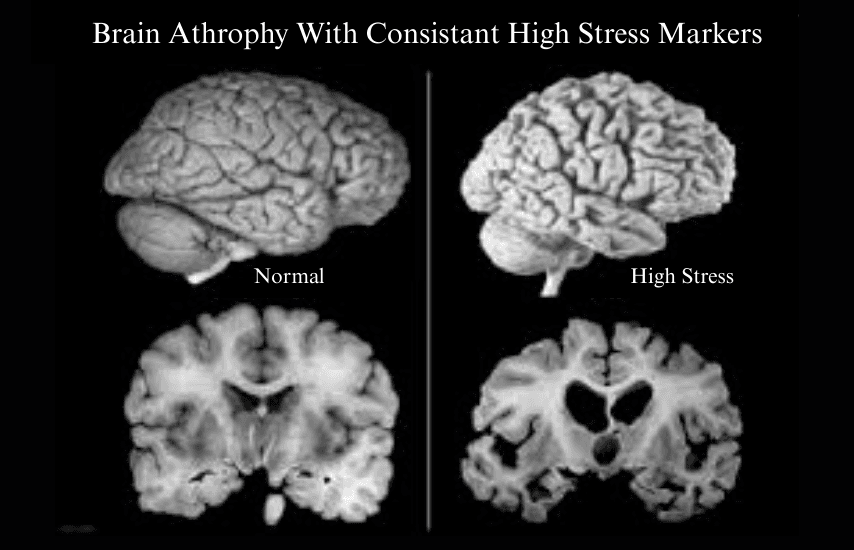
Over months and years, chronic narrative overload can contribute to:
❌Anxiety disorders
❌Burnout
❌ Reduced working memory
❌Lower cognitive flexibility
❌Impaired decision-making
And here’s the frightening part.
Many adults over 50 mistake narrative effect for early cognitive decline.
They say:
“I don’t feel sharp anymore.”
“My brain feels tired all the time.”
“I can’t switch off.”
In many cases, it’s not degeneration.
It’s accumulation.
Why Distraction and Medication Don’t Solve It
Look, it may sound ridiculous, but after my years of research I just have to tell you.
These solutions are temporary.
Scrolling distracts the mind. Medication dampens emotional intensity. Meditation temporarily quiets arousal.
But none of these approaches complete the narrative.
And until the brain experiences narrative completion it keeps revisiting the memory.
Harvard research on expressive writing has shown measurable decreases in stress markers when individuals structure emotional experiences into coherent narratives.
✅Cortisol levels drop.
✅Immune markers improve.
✅Sleep latency shortens.
Why?
Because the brain finally files the event as resolved.
The Missing Piece: Structured Narrative Processing
Here’s where most people struggle – they try journaling.
But a blank page doesn’t create structure.
Without guided sequencing, the brain does not experience closure.
That’s exactly why we developed Memo.
Introducing Memo – A Guided System to Complete Your Narrative
Memo is a structured life-writing experience created specifically to help your brain complete unfinished chapters.
Instead of vague prompts, Memo walks you through carefully sequenced sections:
• Foundational childhood memories
• Identity-forming experiences
• Turning points
• Unresolved regrets
• Relationship chapters
• Achievements you’ve minimized
• Lessons waiting to be acknowledged
Each section builds on the previous one.
The structure mirrors how the brain naturally organizes autobiographical memory.

What Happens When the Brain Finishes the Story
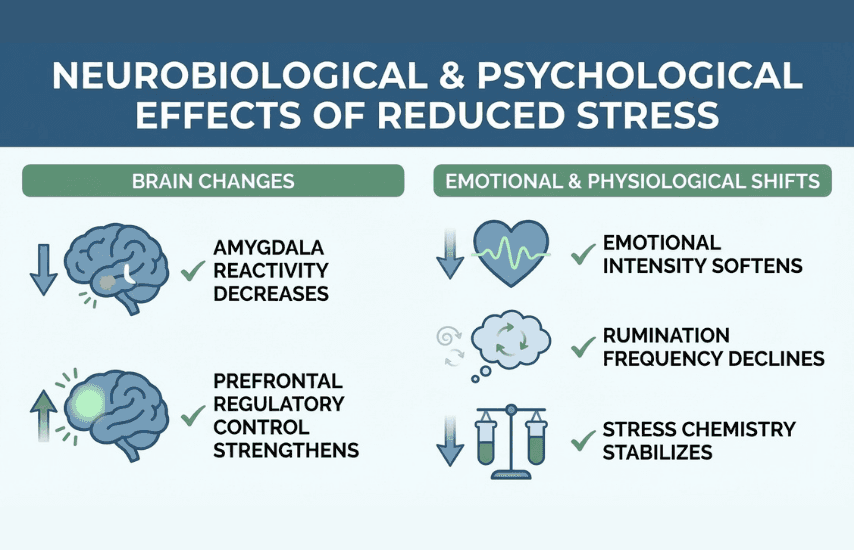
When narrative integration takes place:
• Amygdala reactivity decreases
• Prefrontal regulatory control strengthens
• Emotional intensity softens
• Rumination frequency declines
• Stress chemistry stabilizes
Users often describe it as:
“My brain finally exhaled.”
Not because the past changed, but because the brain stopped trying to process it in the background.
So How Does Memo Work?
It may seem bizarre, but using Memo is simple – and intentionally designed to feel calm, structured, and easy to use even if you’re not “tech-savvy.”
Memo isn’t a blank journal.
It’s a guided online platform that walks you step-by-step through the exact process your brain needs for narrative completion and then turns your answers into a book.
Unlike staring at an empty page, Memo gives you 50 carefully designed, science-backed life questions inside a clean, distraction-free web app.
You can use it on:
Your computer
Your tablet
Or even your phone
There’s nothing to download, just log in and begin.
Here’s what makes it different:
#1 50 Narrative Questions (In the Right Order)
The questions inside Memo aren’t random.
They’re strategically sequenced to follow the natural timeline your brain uses to store autobiographical memory.
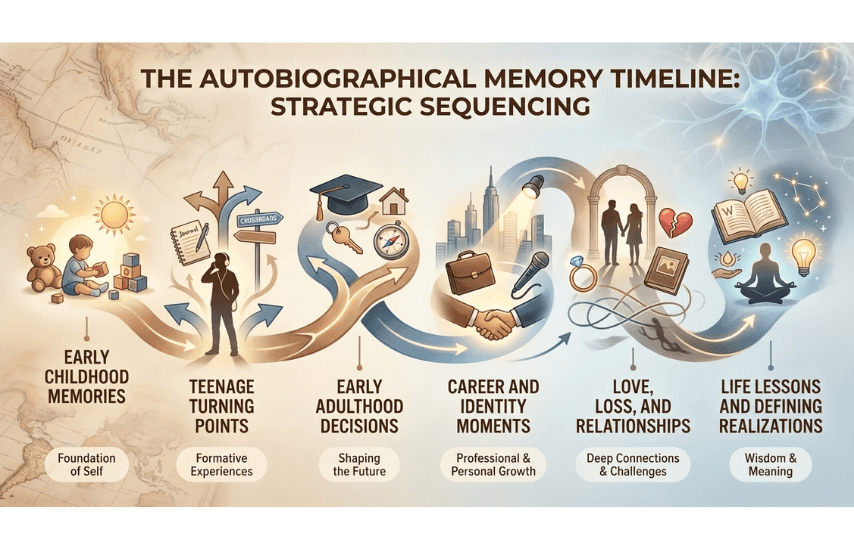
As you move through the questions, the system saves your answers and organizes them into structured chapters.
By moving chronologically, Memo mirrors how the hippocampus retrieves life events – making integration smoother and less emotionally overwhelming.
Instead of jumping randomly between memories, your brain gets to “close chapters” one by one.
#2 Simple to Use
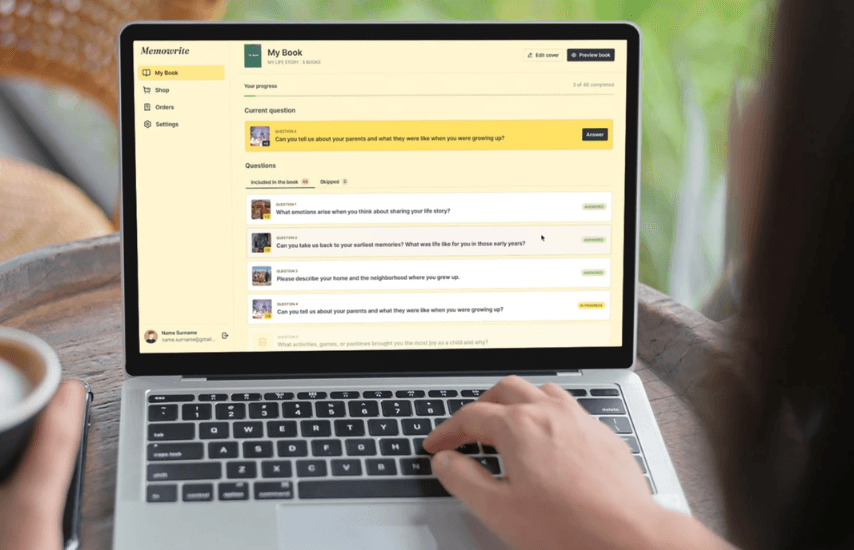
Memo was intentionally designed for adults 50+ and seniors who want a comfortable, stress-free experience.
Inside the platform, you’ll find:
Large, easy-to-read text
High contrast for reduced eye strain
Clean, clutter-free layout
Clear navigation buttons
Speech-to-text functionality
Many of our users are in their 60s and 70s and tell us they were surprised at how easy it felt to use.
#3 10-15 Minutes a Day Is Enough
You don’t need hours. You don’t need to “be a writer.”
Most users log in and spend just 10 to 15 minutes answering one question at a time.
That’s it.
Short sessions prevent emotional overload while still allowing the brain to process and integrate the memory properly.
Over time, these small sessions create measurable cognitive relief.
#4 Designed for Reflection – Not Perfection
You don’t need to be a writer to use it
The goal is simple:
Help your brain finish what it started.
You type naturally – just as you would speak. Memo organizes your answers into structured chapters behind the scenes.
Many users report that after completing certain sections, they notice:
Fewer intrusive memories
Improved sleep
Greater memory
A surprising sense of mental quiet
Not because they changed their past.
But because their brain finally filed it properly.
#5 A Keepsake for You – Or Your Family
Here’s where Memo becomes truly special.
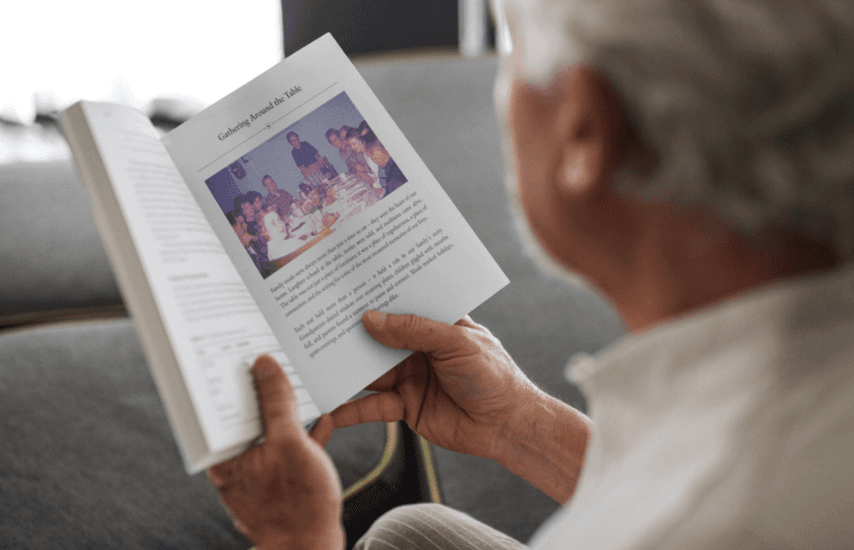
Once you’ve completed your answers, Memo team transforms your writing into a professionally formatted, beautifully printed hardcover book.
What starts as cognitive relief becomes a legacy.
And that physical completion – seeing your story finalized and bound – reinforces the brain’s sense of closure even further.
In short:
Memo works because it aligns with how your brain naturally processes memory.
50 structured questions.
Chronological guidance.
Elderly-friendly design.
Short daily sessions.
No pills.
No overwhelm.
Just a simple, neuroscience-backed way to help your mind finally rest.
Thousands Are Already Experiencing the Benefits
Right now, thousands of adults are using Memo to reduce cognitive overload and restore clarity.
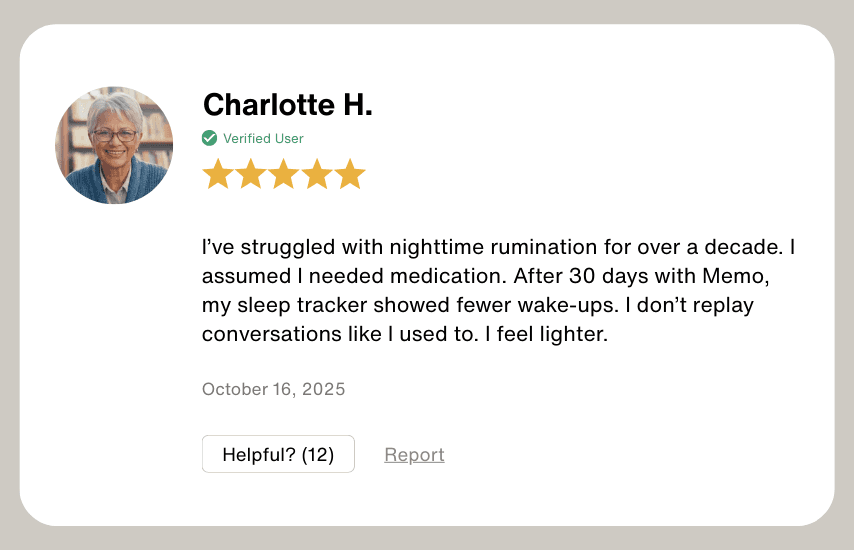
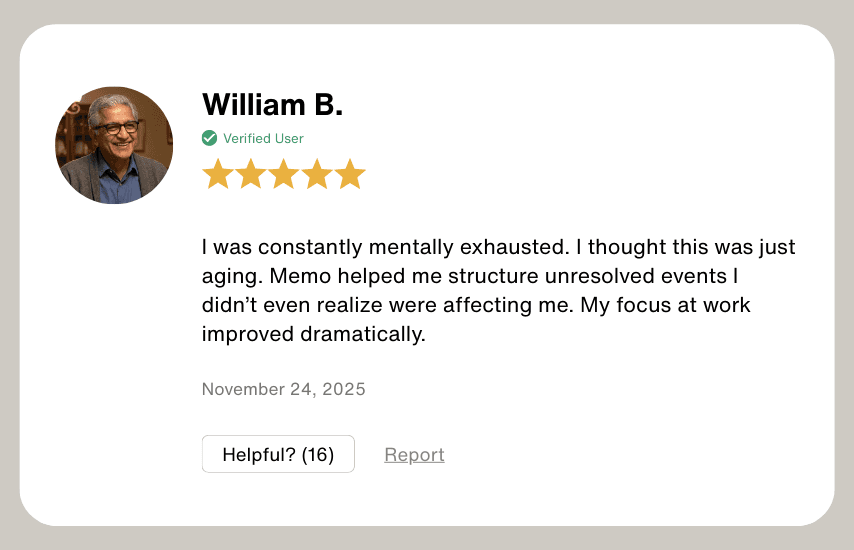
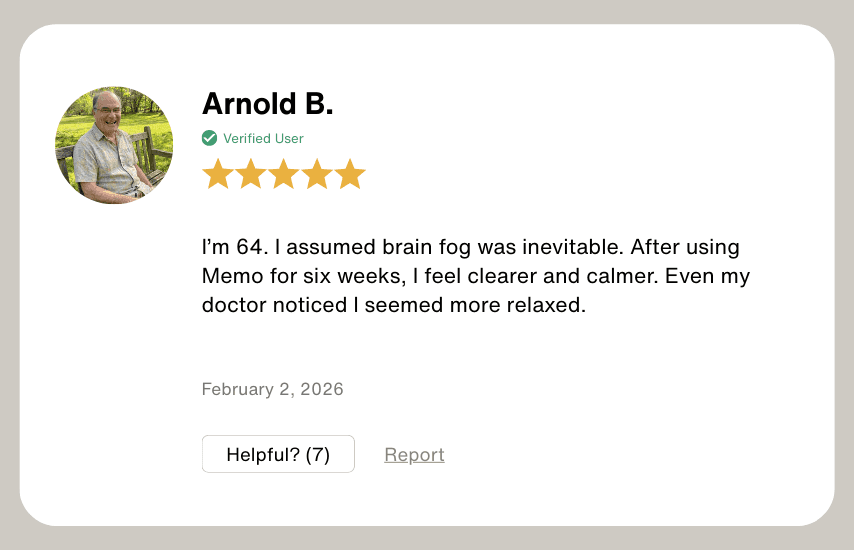
Memo has earned over 4,000 5-star reviews. Here’s what users report:
Why Memo Works When Journals Don’t
Most journals give you empty pages.
Memo gives you neurological structure.
It is built around one core principle:
The brain does not relax until the story feels complete.
By systematically guiding you through your life chapters, Memo helps reduce narrative stress at its source.
It’s 5x Cheaper Than Long-Term Therapy – And 100% Effective
Therapy can cost $100-$250 per session.
Sleep medication creates dependency.
Supplements add up monthly.
Memo is a one-time investment.
And today, you can get Memo for just $57.
That’s 64% off.
Less than the cost of one therapy session.
And you own it for life.
How Memo Works (It’s Simple)
Set aside 10–15 minutes a day.
Follow the guided chapter prompts.
Write honestly and sequentially.
Allow your brain to organize the narrative.
That’s it.
Special Pricing – Only 21 New Users Will Receive This Discount

Because Memo is a guided experience that includes personalized questions, professional book creation, and physical printing, we can’t sustainably offer the current discounted price to everyone.
Right now, we’ve opened a small promotional window for 21 new users to access Memo at our lowest price.
Once those 21 spots are claimed the price will increase and we may not offer this introductory rate again.
So if you’re seeing this page and the special price is still visible it means there are still a few discounted spots remaining.
But we cannot guarantee how long that will last.
If you’re serious about calming mental overload, organizing your life story, and creating something meaningful for your family…
I recommend you do not leave this page.
Narrative stress doesn’t resolve itself.
But today, you have a simple, structured way to begin – at the lowest price Memo will ever be offered.

14-Day Risk-Free Guarantee
You have 14 full days to test Memo.
If you don’t feel mentally clearer, calmer, or lighter, simply email our support team.
We’ll refund your purchase.
No questions asked.
There is zero risk.
The only risk is allowing your brain to keep running unfinished loops for years to come.
The decision you make today matters.
You can continue managing symptoms or you can address the root cause.
Your brain wants one thing:
Completion.
Memo was built to give it exactly that.
AS SEEN IN:

More and more people are turning their fondest memories about the people they love into beautiful books with Lovebook. It’s the easiest way to create something your loved one will cherish forever.
Join today and get 64% off – but only for a short time.
Spots are limited, and this offer won’t last. Tap below to begin your memoir and claim your 64% discount now!
Don’t wait! Only 21 spots left at this special price.
Real Reviews From Real Customers
Writing a book about us felt easier than I ever imagined
Margaret D.
I always assumed writing a book (especially about my husband) would be overwhelming. But in the end, choosing the cover photo was the hardest part. Before I knew it, I was holding a real book in my hands, filled with memories I hadn’t revisited in years.
Nothing compares to a story from the heart
Peter H.
Of all the gifts I’ve given over the years, none has meant as much as writing this for my granddaughter. Putting my hopes for her into a book felt bigger than any present I could buy. It’s something she can hold onto after birthdays are over.
The best birthday gift I’ve ever given
Linda F.
I thought that it might be a little too weird – it felt a little unusual. But my friend absolutely loved it! Tears, laughter, everything. If you're still unsure whether you should write a book about someone, do it. It's all worth it in the end.
Surprisingly fun
George M.
I thought this would feel like homework, but it turned into one of the most enjoyable things I’ve done lately. I ended up writing stories about my mom that I hadn’t revisited in years.
It made our relationship stronger
Evelyn R.️
Writing about our love story made me remember how much I truly love him. The final book is beautiful and I’m proud of what I created.