The Hidden “Cognitive Clutter” Is Sabotaging Brain Health After 50

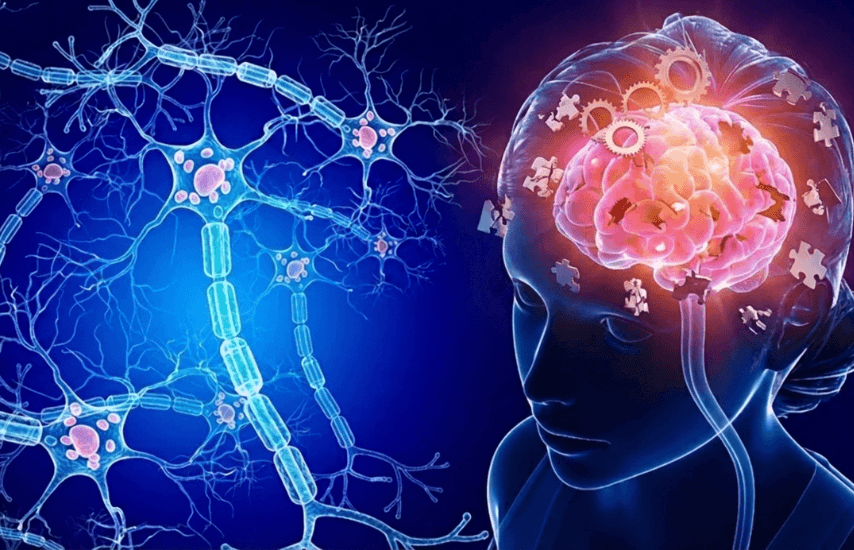
Think about this – nearly 2 in 3 adults over 50 report experiencing noticeable memory lapses, brain fog, or difficulty concentrating (1, 2).
You walk into a room and forget why you’re there, struggle to remember names, reread the same paragraph three times before it sticks.
Many people assume this is just “normal aging.”
The majority, unfortunately, turn to supplements that just don’t help.
But according to Dr. Michael Friedman, MD, a board-certified neurologist and brain health specialist with over 25 years of experience, most people are targeting the wrong problem.
“It’s not that your brain is failing,” Dr. Friedman explains. “Your mind is overloaded with what I call cognitive clutter.”
This hidden problem keeps your brain stuck in reactive mode instead of reflective mode.
“But here’s the good news,” Dr. Friedman continues.
“When you start using methods for structured autobiographical reflection, you can improve your memory, think more clearly, and even strengthen emotional resilience.”
He calls it a “cognitive reset.”
And surprisingly, it doesn’t come in a pill.
Understanding “Cognitive Clutter”
Dr. Friedman explains that cognitive clutter isn’t a disease.
It’s what happens when decades of stress, unfinished thoughts, and constant digital stimulation pile up (3).
“Your brain needs to purposely go back to your memories and organize them,” he says.
“If you don’t actively take time to revisit and sort them out, memories become harder to access.”
Over time, this can feel like:
Slower recall
Mental fatigue
Reduced confidence
Emotional heaviness
“It’s not deterioration,” he says. “It’s disorganization.”
Three Red Flags Cognitive Clutter Might Be Affecting You
🚩 #1: Word-Finding Frustration
You know the word but you can’t retrieve it fast enough.
Medically, it’s called Anomic Aphasia and is one of the tell tale signs of cognitive clutter (4).
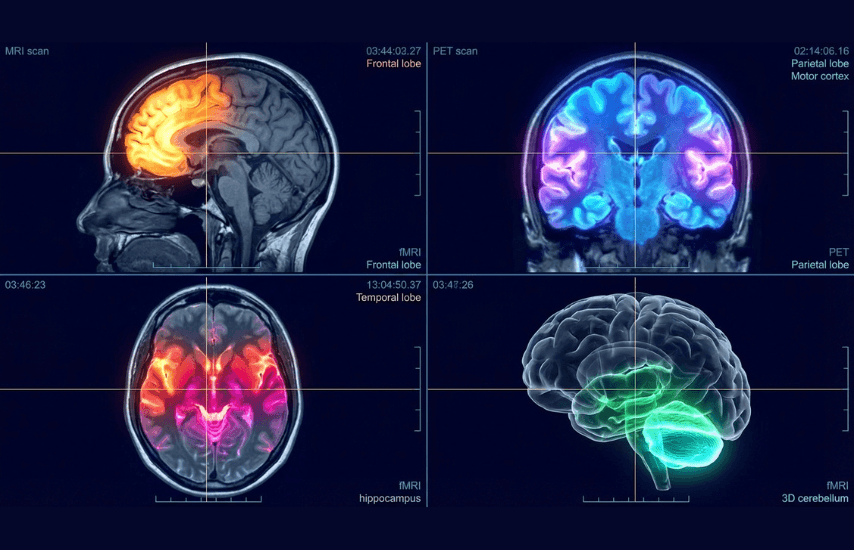
“That’s often a retrieval pathway issue,” Dr. Friedman explains. “Those pathways strengthen when we actively recall and articulate our own experiences.”
🚩 #2: Mental Fatigue by Midday
Even without physical exertion, your brain feels tired (5).
“Nowadays, the brain is constantly reacting (emails, news, notifications), but rarely reflecting.
It becomes overstimulated and doesn’t use the deeper parts responsible for long-term memory as much.”
🚩 #3: Feeling Disconnected From Yourself
This one surprises people.
“Many adults over 50 struggle to clearly narrate their own life story,” Dr. Friedman says.
“When we lose narrative clarity, we lose cognitive cohesion.”
It can impact confidence, mood, and even decision-making, usually leaving people depressed for no apparent reason (6).
The Natural Way to Clear Cognitive Clutter
Instead of another supplement, Dr. Friedman recommends something radically simple:
Guided life-story writing.
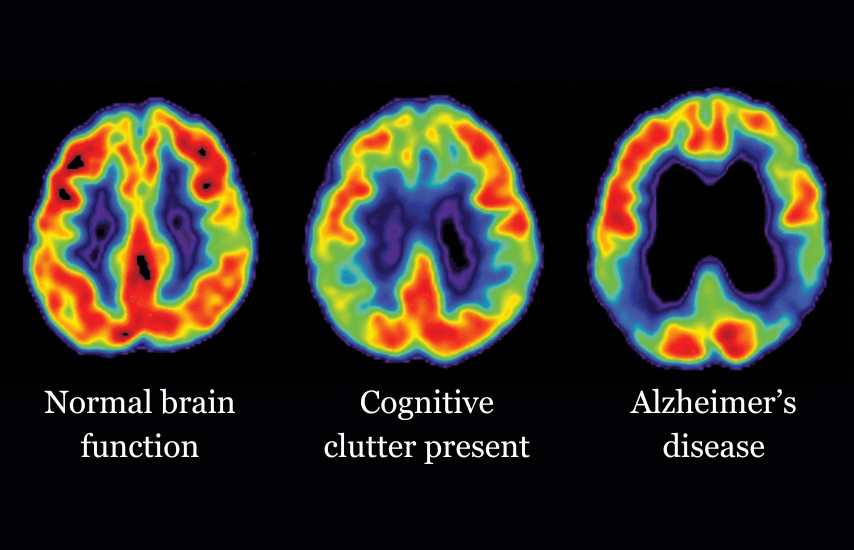
“Structured autobiographical recall activates multiple brain regions at once – memory centers, language networks, emotional processing areas, and motor function,” he explains.
But here’s the key:
Most people don’t know where to start.
That’s where Memo comes in.
Why Dr. Friedman Recommends Memo
After years of encouraging patients to journal, Dr. Friedman noticed a pattern.
“They’d buy a notebook, write two pages, and stop,” he says.
Unstructured journaling can feel overwhelming.
Memo changes that.
It guides users through 50 life questions – each one activates long-term memory pathways and helps organize experiences.
“It’s not just writing,” Dr. Friedman explains. “It’s structured cognitive training disguised as storytelling.”
Patients who’ve used Memo report:
Sharper memory
Improved mood
A renewed sense of identity
And deeper connection with family when sharing their stories

“One of my patients told me she feels mentally 10 years younger,” he says. “Not because her brain changed overnight – but because she re-engaged it.”
If you’ve been feeling foggy, forgetful, or mentally scattered…
Maybe your brain doesn’t need another supplement.
Maybe it needs structure.
“Just remember,” Dr. Friedman says, “the most powerful way to strengthen your mind isn’t another pill – it’s finally taking the time to tell your story.”
AS SEEN IN:

More and more people are turning their fondest memories about the people they love into beautiful books with Lovebook. It’s the easiest way to create something your loved one will cherish forever.
Join today and get 64% off – but only for a short time.
Spots are limited, and this offer won’t last. Tap below to begin your memoir and claim your 64% discount now!
Don’t wait! Only 21 spots left at this special price.
Real Reviews From Real Customers
Writing a book about us felt easier than I ever imagined
Margaret D.
I always assumed writing a book (especially about my husband) would be overwhelming. But in the end, choosing the cover photo was the hardest part. Before I knew it, I was holding a real book in my hands, filled with memories I hadn’t revisited in years.
Nothing compares to a story from the heart
Peter H.
Of all the gifts I’ve given over the years, none has meant as much as writing this for my granddaughter. Putting my hopes for her into a book felt bigger than any present I could buy. It’s something she can hold onto after birthdays are over.
The best birthday gift I’ve ever given
Linda F.
I thought that it might be a little too weird – it felt a little unusual. But my friend absolutely loved it! Tears, laughter, everything. If you're still unsure whether you should write a book about someone, do it. It's all worth it in the end.
Surprisingly fun
George M.
I thought this would feel like homework, but it turned into one of the most enjoyable things I’ve done lately. I ended up writing stories about my mom that I hadn’t revisited in years.
It made our relationship stronger
Evelyn R.️
Writing about our love story made me remember how much I truly love him. The final book is beautiful and I’m proud of what I created.