


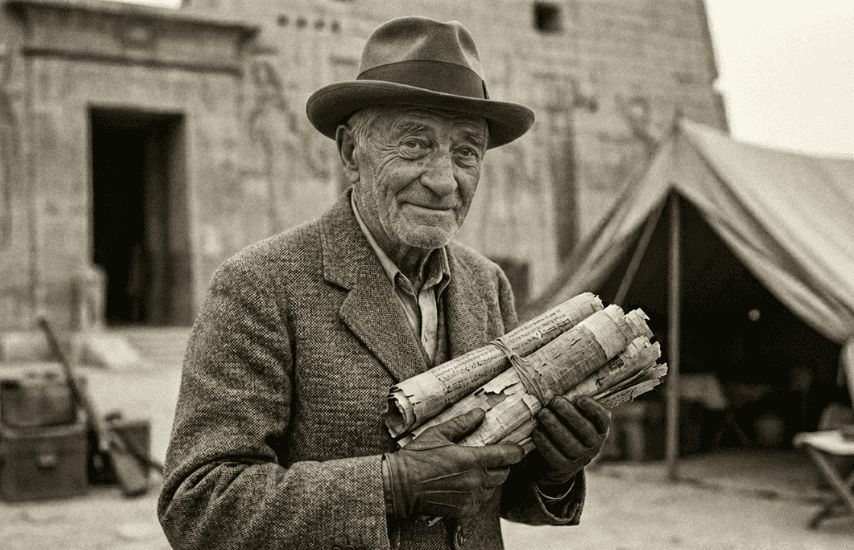
Long before journals were common, people still found ways to preserve their lives.
Across cultures, historians used a structured method:
Questions that moved a person through their own life.
In the past, it was simply known as memorycraft.
And even though the world has changed, the method still works.
A Method That Refuses to Disappear
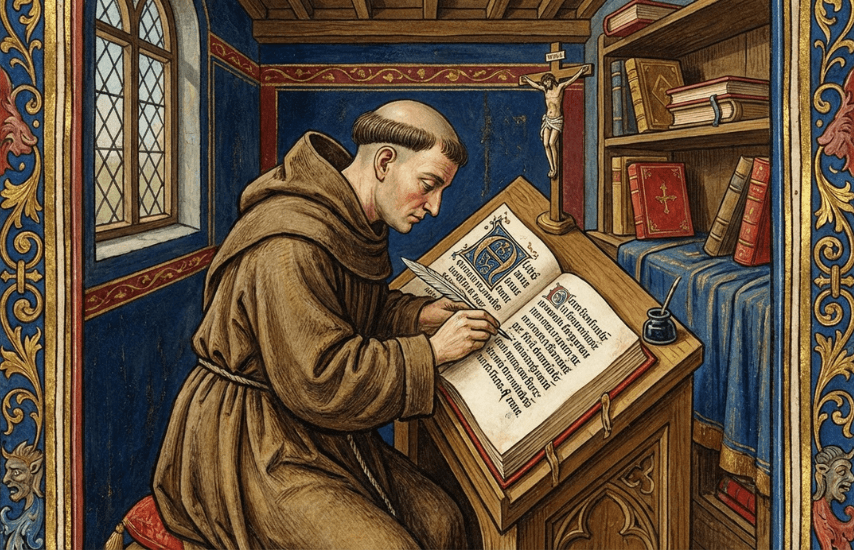
Historically, this technique appeared in many places.
From ancient Greece to parts of South Asia, people weren’t asked to “remember everything”.
They had to only answer what was asked.
The pattern was always the same:
Not “Tell me your life story.”
But “Tell me about your first home.”
“Who taught you responsibility?”
“When did you first feel loss?”
Memory, it turns out, responds better when it’s being guided.
A Story That Survived Time
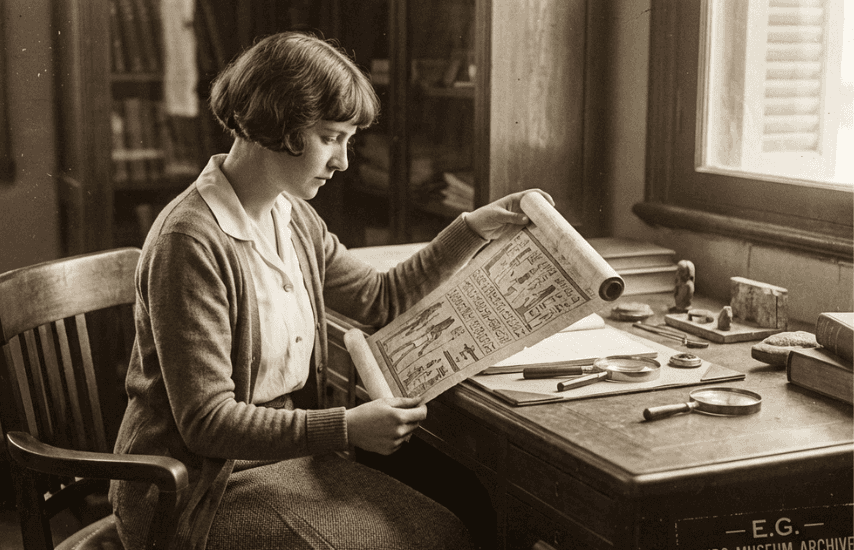
Take a look at a chronicle from ancient Egypt:
A scribe was tasked with recording the lives of retired soldiers.
When asked to “tell their story,” most struggled.
So he changed his method.
He brought a list of 50 memorycraft questions.
Beginning with childhood, moving through work, love, and loss.
And then… The soldiers spoke for hours.
The scribe noted in his records:
“They remember more when they are asked less.”
The questions survived.
Only they were adapted to modern lives.
What Happens When You Use the Method

But how does this ancient method actually help long term?
People using the memorycraft method often report the same progression.
Week 1-2
Small memories return.
Names, places, conversations resurface.
Week 3
Memories connect.
Your story feels less fragmented.
Week 4
Your memories feel organized.
Preserving a life story feels possible.
It’s not that new memories are created.
It’s that access is restored in a comfortable, modern way.
The Modern Form
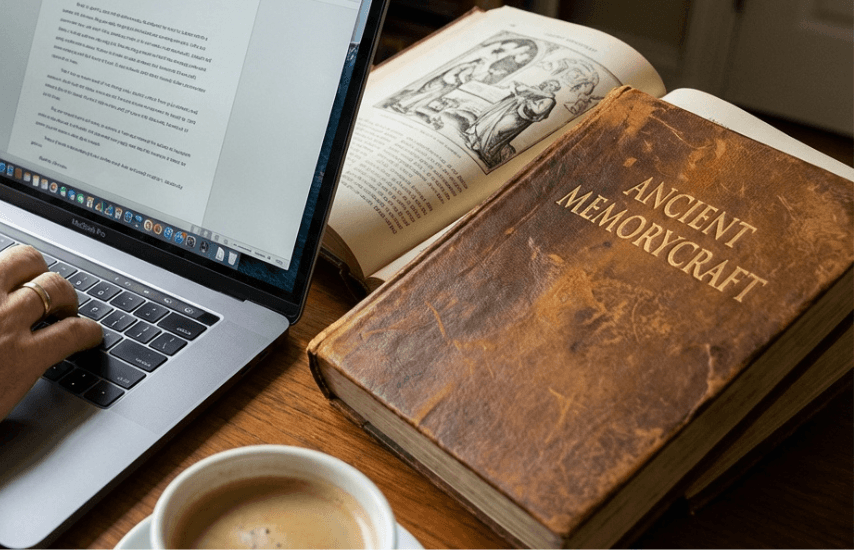
Today, this method lives on through Memowrite.
Instead of asking you to “write your life story,” Memowrite guides you through 50 memorycraft questions.
You answer the modernized questions at your own pace.
The story emerges naturally, without pressure.
Memowrite also uses speech-to-text, much like in ancient Egypt, where lives were recorded by a scribe.
Psychologically, this process makes memory recall steadier and more complete.
Most importantly, when the questions are finished, your memories aren’t left scattered in notes.
They are carefully compiled, edited, and preserved as a hardcover book.
A life saved in a form meant to be held and shared.
Memory Was Never Meant to Be Forced

Your life story isn’t lost.
It’s simply waiting for the right questions.
The ancient people understood this.
Modern psychology confirms it.
And now, memorycraft has returned through Memowrite.
Sometimes, remembering is about being asked the right questions.
AS SEEN IN:


Ida Zbirochowicz
8 Sep, 2025 at 2:14 pm
I lived through the events of the cold war period in Europe, escaped to Vienna by a special train with my money hidden in the toillet bowl. Then without my document worked…….
Nur Rachmi
24 Jul, 2025 at 1:50 pm
I’m 63, and I’ve been thinking along this line, to start preparing a memoir.
Anne
23 Jul, 2025 at 10:05 pm
This would be a great idea! I never know what or where to start!
Elena GRAJALES pereyra
23 Jul, 2025 at 6:50 pm
I would love to give it a try
susanne scholtz
23 Jul, 2025 at 5:19 pm
I would love to do this