



When Elaine Klein turned 68, her habits didn’t change – but her reflection in the mirror did.
She had been through menopause nearly a decade earlier. She expected some changes: softer arms, thicker waist. That was normal.
But what confused her was this:
She wasn’t eating differently or moving any less.
Yet her body was slowly reshaping itself.

Her lower stomach felt firmer and rounder.
Her face looked puffy in photos – especially around the cheeks and jawline.
Her sleep became lighter, more fragmented.
“It wasn’t dramatic weight gain,” Elaine said. “It was 5 pounds here, 7 pounds there. But it settled in one specific place – my belly.”
At her annual physical, she brought it up.
Her doctor explained declining estrogen can shift fat distribution toward the abdomen.
That made sense. But Elaine still felt like something was missing.
Because even women on stable hormone therapy were reporting the same thing.
And then one evening, her daughter sent her an article with two words she had never heard before:
Cortisol belly.
What Is “Cortisol Belly” and “Cortisol Face”?
Cortisol is the body’s primary stress hormone.
It helps regulate blood sugar, sleep cycles, inflammation, and fat storage.
Short-term cortisol is normal.
But chronic, low-grade stress (the kind that builds quietly over decades) can keep cortisol mildly elevated.
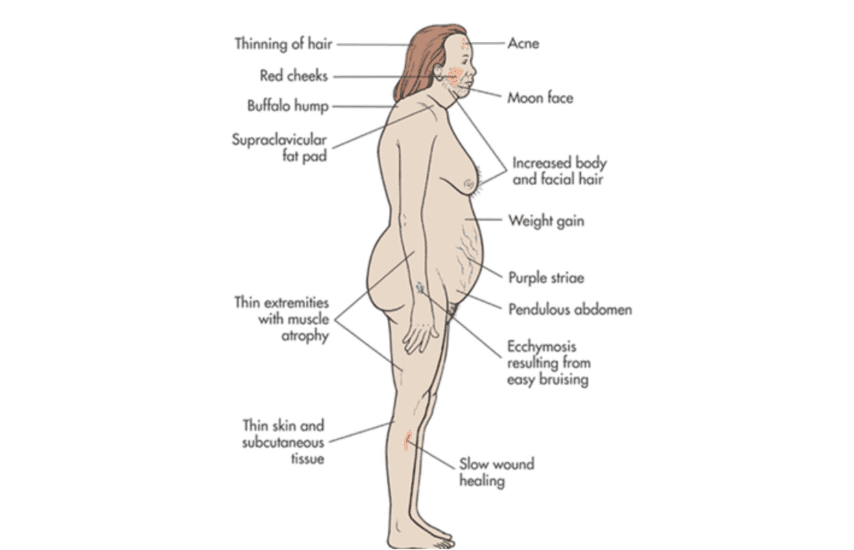
Over time, low-grade stress contributes to:
Increased fat storage around the abdomen
Facial puffiness from fluid retention
Stronger cravings for quick carbohydrates
Disrupted sleep
The term “cortisol belly” describes weight settling around the midsection during prolonged stress.
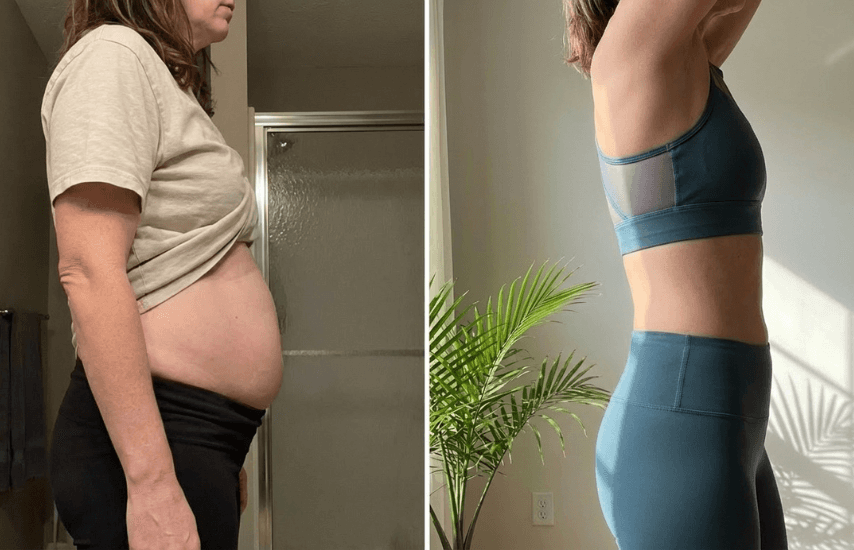
Elaine recognized herself immediately.
“I didn’t feel stressed,” she said. “But I’ve spent 20 years taking care of everyone else.”
She had:
Cared for her mother through dementia
Helped her husband recover from heart surgery
Supported her daughter through a divorce
Managed finances after retirement
Chronic stress rarely feels dramatic.
For many women, it simply feels like life.
Why Dieting Didn’t Work (And Sometimes Made It Worse)
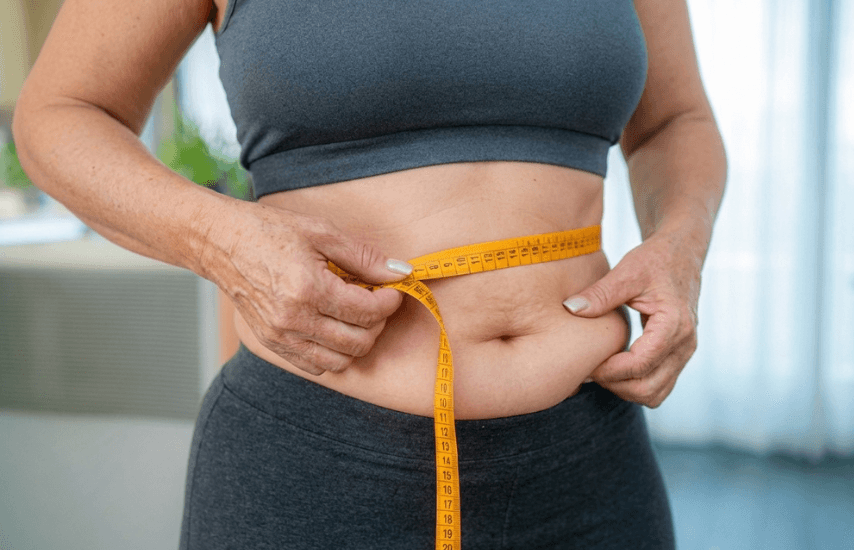
Elaine tried reducing carbs.
She tried skipping breakfast and increased her daily walks.
For a few weeks, she would lose a pound – then gain it back. Worse, she felt more irritable and had trouble falling asleep.
That’s because aggressive calorie restriction can increase cortisol levels.
When the body perceives scarcity, it activates stress pathways.
For women over 60, whose hormonal balance is already shifting, that can make weight loss harder.
The Conversation That Changed Her Approach
A month later, Elaine met her friend Judith for coffee.
Judith looked noticeably different – not dramatically thinner, but more relaxed. Her face looked less puffy. Her posture was softer.
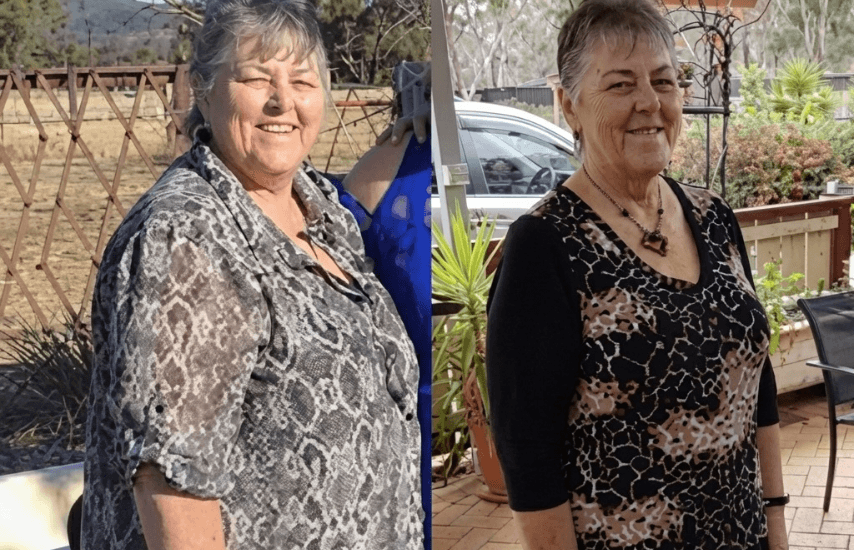
“You look good,” Elaine said.
Judith laughed. “I started writing my life story.”
Elaine assumed she meant journaling.
But Judith explained she had started something called Memo – a guided way to write your memoir, designed specifically for adults over 60.
“It walks you through your life in order,” Judith said. “It’s surprisingly calming.”
Elaine was skeptical. She wasn’t looking for self-help.
But Judith added something that caught her attention:
“I stopped stress-snacking at night and I lost 12 pounds.”
That was enough to make Elaine curious.
What Makes Memo Different From Regular Journaling?
Memo contains guided questions arranged chronologically – based on how autobiographical memory is stored in the brain.
Here’s how it works:
You answer 50 carefully designed questions about your life – from childhood to today.
You can type or speak your answers.
The Memo editorial team organizes, lightly edits, and professionally formats your story.
Your memoir is printed as a beautiful hardcover book and shipped to your home.
The primary goal of Memo is to preserve your life story.
But something unexpected has happened for many women.
When they spend 15 minutes a day calmly reflecting and organizing their life experiences, they often report losing weight.
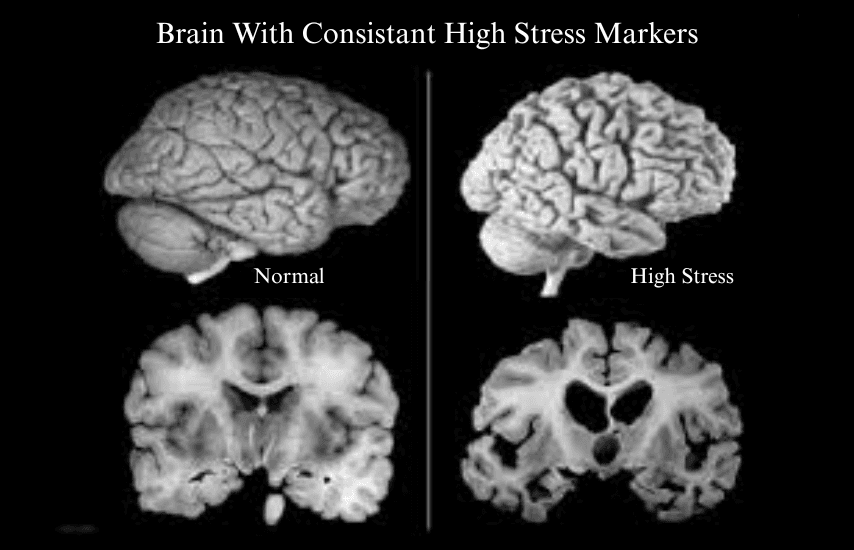
Endocrinologists have long studied something called narrative cortisol processing.

When life events remain fragmented or emotionally unresolved, they can subtly activate stress pathways.
But when those experiences are organized into coherent stories, the brain shifts activity from the emotional alarm center to logical integration.
In turn, the brain finally calms down – after years of mild stress running in the background.
Well, Elaine didn’t know the neuroscience in detail.
She just knew she felt different after two weeks.
When Elaine finished answering all 50 questions, she noted these physical changes:
6 pounds down
Jeans fitting more comfortably
Fewer sugar cravings
More consistent sleep
She wasn’t tracking calories but the scale moved anyway
It sounds unbelievable but structured writing 10-15 minutes a day seemed to help.
“It wasn’t that writing burned calories,” Elaine said. “It reduced the tension I was carrying.”
Six weeks later, a package arrived.
Inside was a hardcover book – with Elaine’s name printed on the cover.
68 years. Organized. Preserved.
It was real proof that she lived an amazing life.
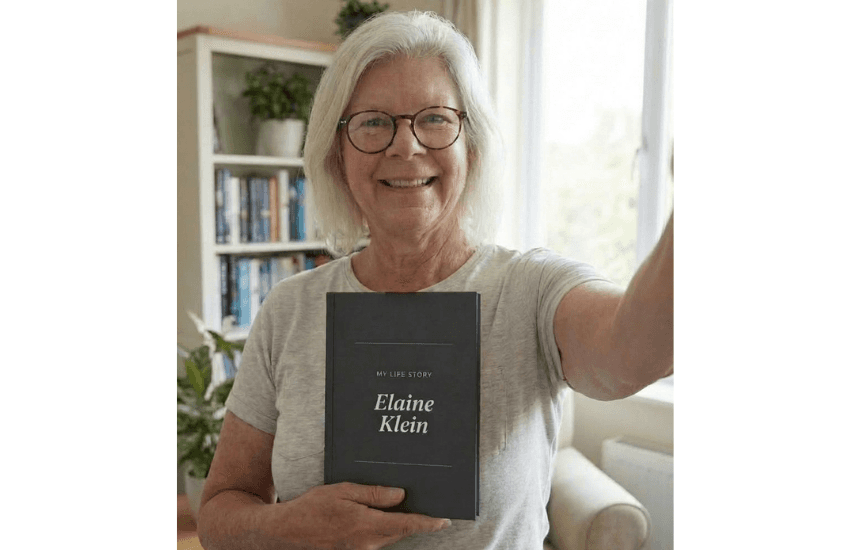
And at that moment, it felt more important than her shrunken waistline.
"This made me realize one simple thing. Bodies change – but legacy is forever."

Why The Effects Continue
One unexpected benefit Elaine discovered:
After completing the 50 questions, she felt confident writing without guidance.
The Memo structure had trained her brain to organize memory chronologically.
She began free-writing weekly.
This ongoing narrative processing continued supporting stress regulation.
And as long as stress remains more balanced, cortisol is less likely to spike chronically.
This is why the effect isn’t tied to a short “program.”
It becomes a habit – and the effects are clear in her before and after photos.
What Other Women Are Saying


Cost Comparison

When women start looking for ways to manage stress-related weight gain, the options can quickly become overwhelming – and expensive.
Therapy often ranges from $150-$250 per session, and meaningful stress reduction usually requires ongoing visits.
Weight-loss coaching programs often involve monthly fees, supplements, or recurring memberships that add up over time.
Memo takes a different approach.
Today, for only $57, you receive a full guided writing experience designed specifically for adults 60+.
The program walks you step-by-step through structured questions that help you process life events in a calm, organized way – without needing appointments or travel.
Memo is not positioned as a medical treatment or weight-loss program.
It’s a structured narrative system designed to help reduce mental and emotional overload – which, for many women, is a missing piece of the stress puzzle.
Compared to the recurring costs of other approaches, it’s a low-commitment way to explore whether guided writing makes a difference for your waistline.
Why Is It Discounted Right Now?

At the time of writing this, Memo recently expanded its printing capacity due to increased demand from adults over 60.
With the new production line now running, they currently have extra printing space available for upcoming new users – there are 50 spots in total at a reduced $57 rate.
Once those 50 spots are filled, pricing will return to the standard tier.
This isn’t a sale – it’s simply a temporary opportunity created by the new printing capacity.
If you’ve been thinking about trying Memo, this would be the most affordable time to start.
Final Thoughts
Memo isn’t a diet or a metabolism trick.
And it isn’t positioned as a weight-loss solution.
It’s a structured memoir-writing platform designed to help adults over 60 reflect, organize, and preserve their life stories.
For Elaine, the most important outcome wasn’t the weight loss.
But if chronic stress and unresolved emotional tension are contributing to:
Abdominal weight gain
Facial puffiness
Poor sleep
Late-night snacking
Then addressing stress at the nervous-system level can create real physical shifts over time.
Elaine puts it simply:
“I thought my body was betraying me. Turns out it was protecting me.”
The physical changes were simply a reflection of something deeper:
When the nervous system relaxes, the body often follows.
By reducing stress instead of restricting food, her body gradually let go of what it no longer needed to hold.
If Memo still has spots available at the introductory rate, don’t wait – save not only your waistline, but also your story.

Today, the introductory pricing is still active for 21 new users. Once that threshold is reached, standard pricing resumes. If you’re considering it, you may want to check availability while the current rate is still offered.

AS SEEN IN:


Ida Zbirochowicz
8 Sep, 2025 at 2:14 pm
I lived through the events of the cold war period in Europe, escaped to Vienna by a special train with my money hidden in the toillet bowl. Then without my document worked…….
Nur Rachmi
24 Jul, 2025 at 1:50 pm
I’m 63, and I’ve been thinking along this line, to start preparing a memoir.
Anne
23 Jul, 2025 at 10:05 pm
This would be a great idea! I never know what or where to start!
Elena GRAJALES pereyra
23 Jul, 2025 at 6:50 pm
I would love to give it a try
susanne scholtz
23 Jul, 2025 at 5:19 pm
I would love to do this